

Bucharest Flex Office Overview 2026
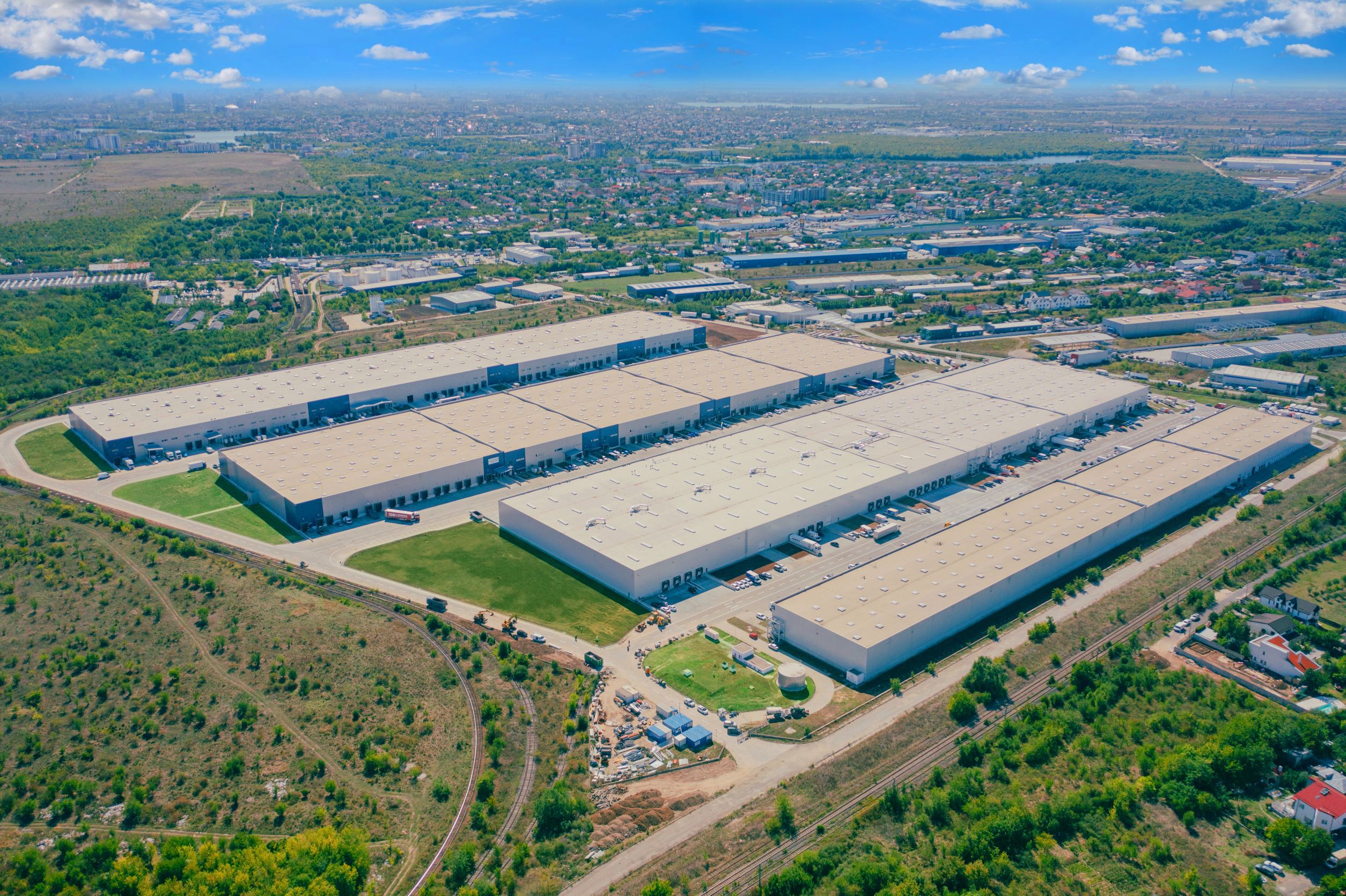
Bucharest, July 2026: Romania’s logistics and industrial market remains one of the most competitive in Europe in terms of occupancy costs. With an average prime industrial rent of €4.8/ sq. m/ month, Bucharest ranks as the fourth most affordable market among the European locations analyzed, at a time when companies worldwide are restructuring their supply chains in response to geopolitical uncertainty and rising operating costs.
These findings are highlighted in “Waypoint: Global Industrial Dynamics 2026”, a global report by Cushman & Wakefield that examines trends across 135 industrial and logistics markets worldwide.
According to the report, while industrial rental growth has moderated across many mature markets, demand remains resilient globally, driven primarily by the e-commerce, retail distribution and manufacturing sectors. In Europe, the CEE markets, including Bucharest, continue to attract companies seeking to optimize costs and strengthen their regional operations.
By the end of 2025, Romania recorded annual industrial rental growth of approximately 2%, broadly in line with the global average of 2.2%, underscoring the stability of the local market in a period when many locations have entered a normalization phase following the rapid rental increases seen in recent years.
Rental levels in Bucharest remain significantly lower than those in major Western European logistics hubs such as London, Amsterdam or Frankfurt, while also remaining below key regional competitors such as Warsaw and Prague.
This cost advantage, combined with access to major European trade corridors, continues to place Bucharest on the shortlist of companies optimizing their regional logistics networks.
The local market’s competitiveness is also supported by labour costs. According to the report, Bucharest ranks in the lower tier of European locations in terms of wage costs within the logistics and manufacturing sectors, providing an important competitive advantage in attracting such investments. At the same time, wages in these sectors have recorded one of the strongest growth rates in CEE, increasing by 7% – 12% over the past 12 months, according to data from the Economic Research Institute cited in the report.
The report also highlights that energy costs are becoming an increasingly important factor in location decisions for industrial and logistics operations. Romania is among the European markets with relatively high electricity costs for industrial users and recorded one of the most significant annual increases in electricity tariffs in 2025. Nevertheless, energy still accounts for a considerably smaller share in total occupancy costs compared with rental and labour expenses, allowing Romania to maintain its overall competitive advantage.
As a result, companies are placing greater emphasis on building energy efficiency, access to renewable sources and the ability of logistics facilities to integrate automation solutions and technologies that reduce long-term operating costs. These include green building certifications, on-site photovoltaic systems and energy storage solutions.
Across Europe, the logistics market currently remains favourable to occupiers. However, Cushman & Wakefield expects space availability to gradually decline in the coming years as vacancy rates stabilize or decrease and the pace of new developments moderates.
In this environment, cities such as Bucharest are well positioned to benefit from corporate diversification and regionalization strategies, offering an attractive balance between occupancy costs, labour availability and access to key European markets.
 Ștefan Surcel, Head of Industrial Agency, Cushman & Wakefield Echinox: “The Waypoint report confirms that Romania continues to strengthen its position as one of the most competitive logistics markets in Central and Eastern Europe. Bucharest offers a compelling combination of occupancy costs, workforce availability and access to major European trade corridors, factors that are becoming increasingly important for companies optimizing their supply chains. Moreover, we are noticing occupier decisions shaped not only by rental levels but also by factors such as energy efficiency, building sustainability, access to energy and the ability of logistics facilities to integrate automation technologies. These trends are creating significant opportunities for the further development of Romania’s industrial and logistics market in the coming years.”
Globally, e-commerce remains the primary demand driver for industrial and logistics spaces, followed by retail distribution and general manufacturing. In addition, sectors such as energy, advanced technology and industrial production are generating new sources of demand, supporting the positive outlook for logistics markets across Europe and the broader CEE region.
“Waypoint: Global Industrial Dynamics 2026” analyzes developments across 135 logistics and industrial markets throughout North and South America, Europe, the Middle East, Africa and Asia-Pacific. The report assesses operating costs, rental levels, labour costs, energy prices and medium-term demand prospects.