The CEE-6 industrial sector faced headwinds in Q2 2025, with industrial production contracting by 1.6% YoY due to global trade tensions, particularly affecting automotive and machinery sectors. Despite this, GDP growth remained stable at 2.1%, and unemployment held at 4.3%. Regional performance varied, with Bulgaria seeing a sharp decline (–6.4%) and Poland and Hungary posting modest gains.
Nearshoring continues to reshape logistics strategies, driving demand for modern, ESG-compliant facilities. Infrastructure investment, especially in Poland, supports long-term growth, with 45% of EU recovery funds allocated by mid-2025.
Gross take-up across CEE-6 reached 4.94 million sq m in H1 2025, up 11.3% YoY. However, net absorption remained weak, as tenants focused on renegotiations and lease optimization. Poland led with 2.96 million sq m transacted, while Romania posted the strongest growth (+25% YoY). Manufacturing, retail, and wholesale sectors continue to drive demand, though investment decisions remain cautious.
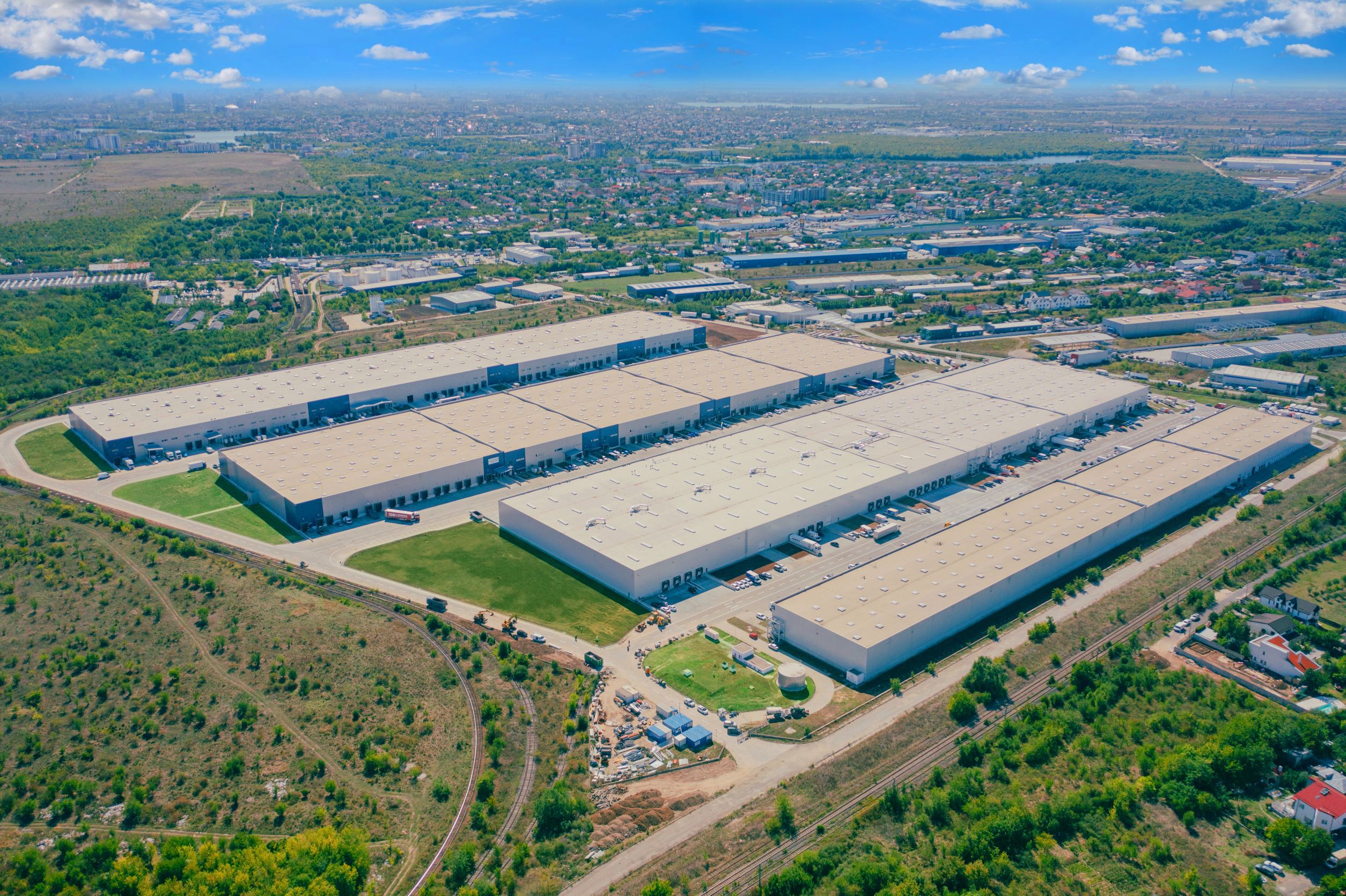
Development activity slowed significantly, with Q2 completions totaling just 842,000 sq m—the lowest since Q4 2020. H1 completions reached 2.06 million sq m, down 10.5% YoY. Total regional stock stands at 69.26 million sq m (+8% YoY), well below the 19.7% growth peak in Q2 2022.
Developers are shifting toward built-to-suit and pre-leased projects. Poland’s pipeline declined 26% YoY, while pre-leasing rates improved in Hungary (+47%) and Slovakia (+60%). Czechia remains the tightest market with a vacancy rate of 4.0%.
Rents continued to rise in prime locations, supported by limited supply and ESG-driven demand. While growth has moderated since 2022–2023, supply-constrained markets like Bulgaria and Romania saw notable increases. In contrast, Hungary’s Greater Budapest submarket declined by 5.2% YoY.
Outlook
• Vacancy rates (currently 7.2%) expected to stabilize or decline in H2 2025, especially in supply-constrained areas.
• Nearshoring and EU/UK investment in strategic sectors will support medium-term demand.
• Two-tier rental market emerging: Prime ESG-compliant assets will see premium growth; older stock may face pressure.
• Speculative development remains limited, with new starts dependent on pre-leasing or built-to-suit arrangements.